

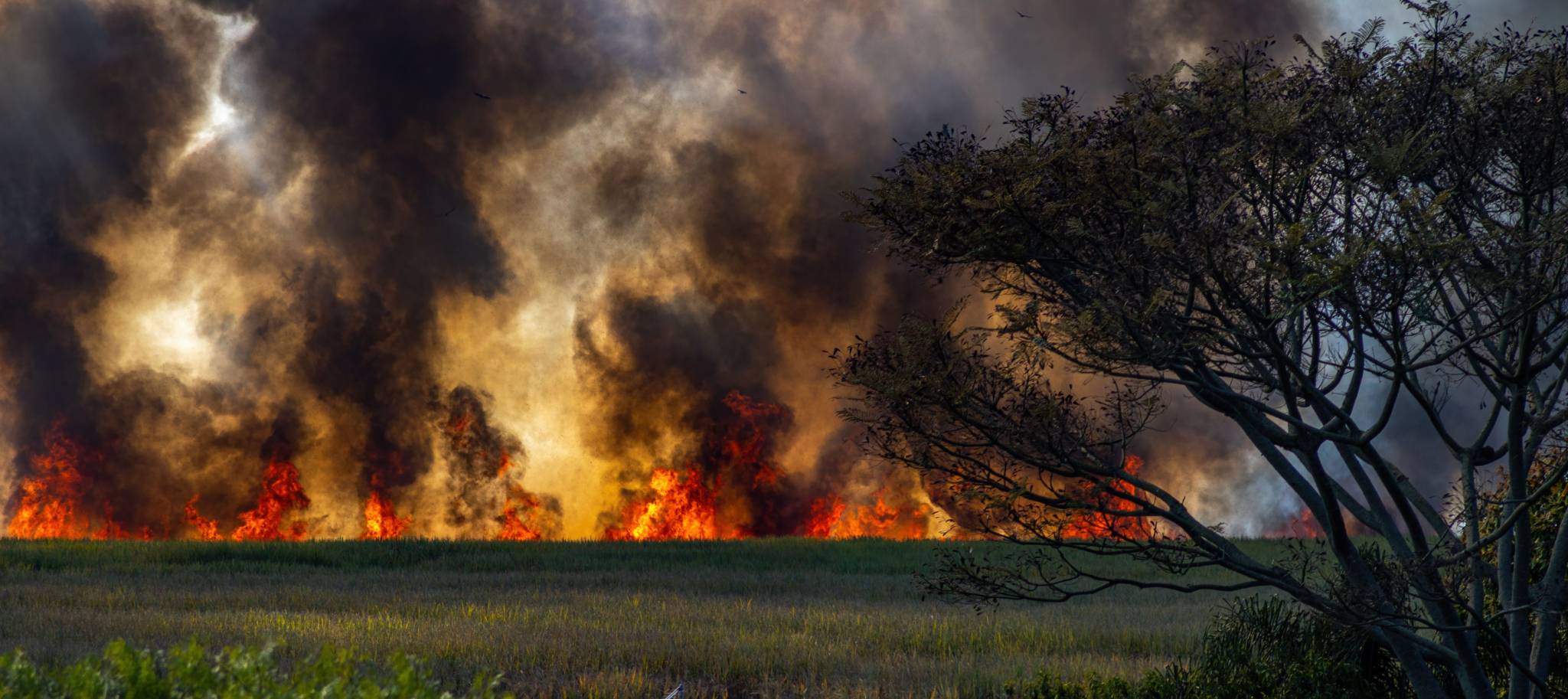
Modeling the Role of Conservation Reserve Program (CRP) Lands in Wildfire
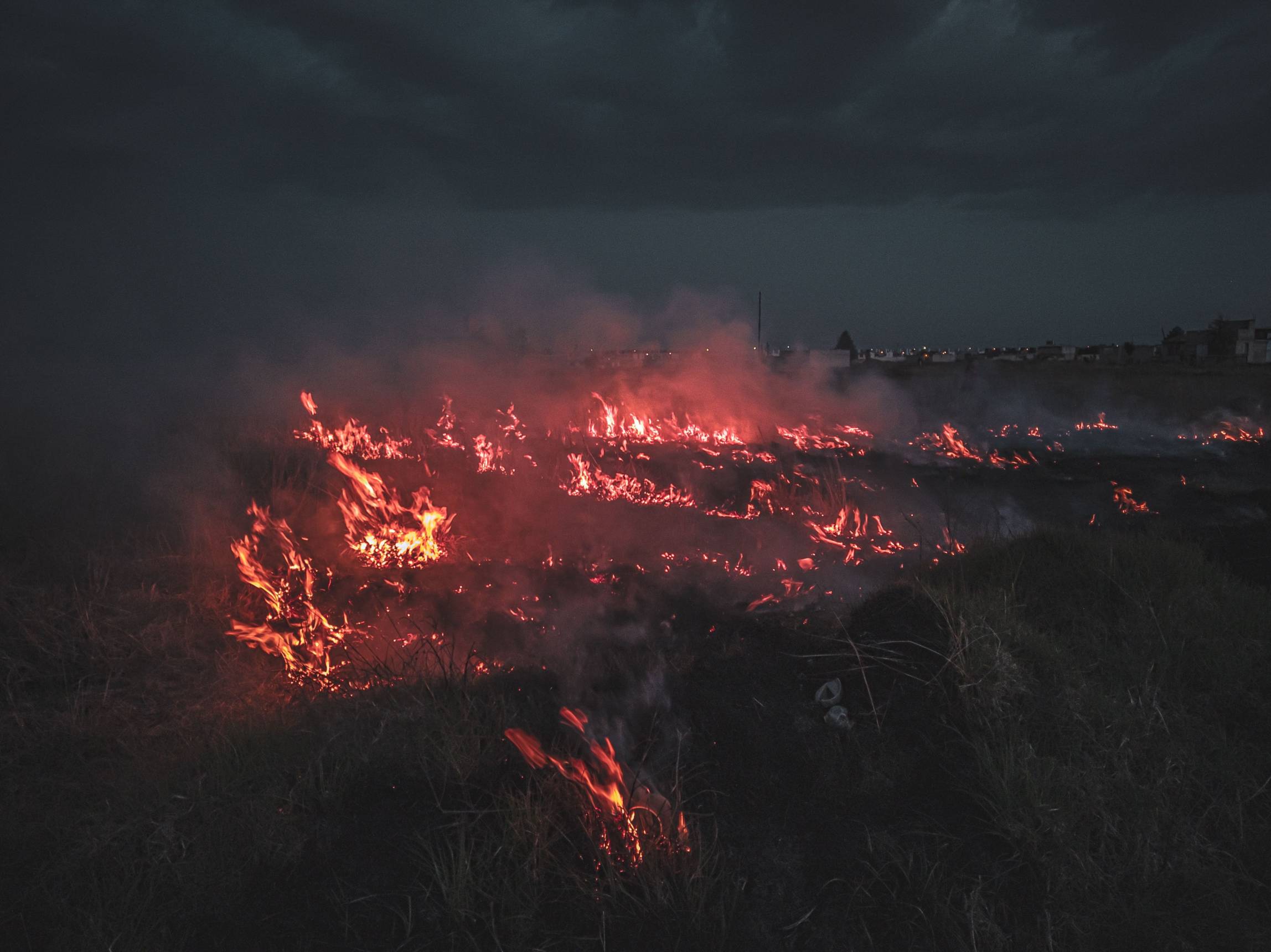
Although CRP lands have tremendous potential to protect watersheds, provide habitat, conserve soil and enhance air quality, the buildup of vegetation and the potential for wildfires is a major concern of some landowners and politicians. Thus far, there is a lack of research to determine how fire management affects landowners’ future decisions to enroll or persist in CRP, whether CRP lands contribute to wildfire occurrence and how they could be integrated into attempts to build fire resilient agricultural landscapes.
Funded by the United States Department of Agriculture’s Farm Services Agency, the FFL is studying the impact Conservation Reserve Program (CRP) lands have on wildfire risk in the central United States and conduct fire risk modeling for CRP lands across 13 states, from the Mexican to Canadian borders. The team is also surveying current CRP participants to model how they make decisions about fire management while also testing the influence of three popular policy instruments on fire management decisions using hypothetical fire management scenarios.
The study is expected to help close critical knowledge gaps concerning wildfire risk on CRP and adjacent lands and advance theoretical insights. Once gathered and analyzed, this deeper understanding should help policymakers avoid political miscalculation by identifying how the USDA can optimize management and arrangement of CRP lands to enhance the fire resilience of agricultural landscapes throughout the Great Plains—and the communities dependent upon them—while simultaneously contributing to the accumulating social-environmental benefits generated by CRP since its inception. The research team’s dissemination of findings, along with outreach and engagement plans, are designed to represent and resonate with the diverse array of Great Plains landowners, enabling USDA-FSA to highlight CRP lands in the national discourse on fire resilience involving private lands.
What Brings Suppression and Fire-Use Domains Together?
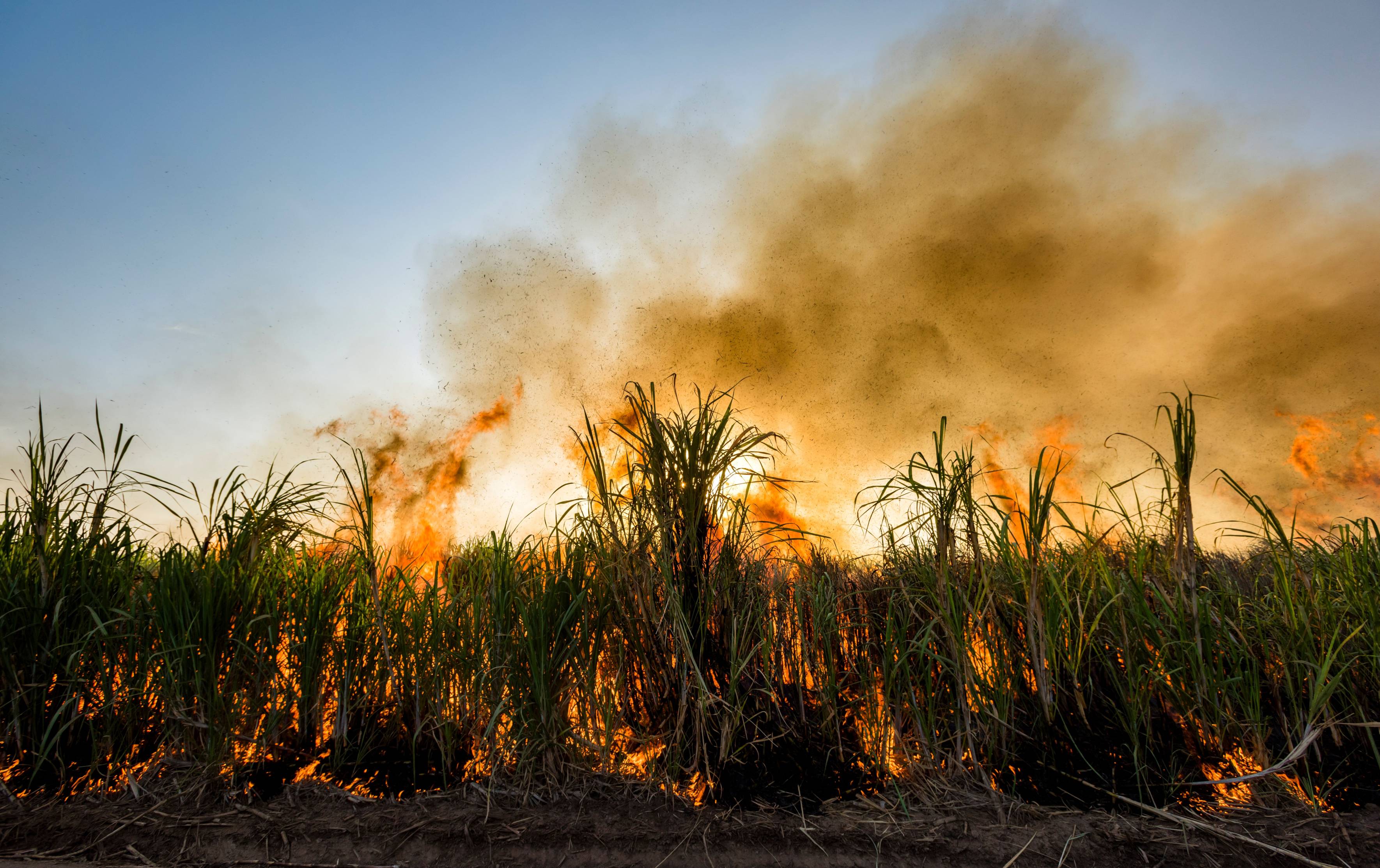
Collaboration is essential for tackling large-scale wildfire problems that cross jurisdictions and involve multiple interests, including but not limited to governments, wildlife agencies and private landowners. Though wildfire mitigation has become more expensive, complex and increasingly prone to conflict, cross-jurisdictional collaboration to create fire-resistant landscapes and reduce suppression costs has been limited. Collaboration has been undermined by social, political and institutional factors such as prevailing fire culture and the politicization of wildfire.
To address these challenges, the study focuses on wildlife agencies as collaboration brokers to overcome deficits. These agencies have institutionalized engagement with landowners to encourage reduction of brush and deadfall, which are potential fuel for wildfires, as well as to promote habitat conservation on private lands. Both areas are essential pieces of wildfire management. The FFL interviewed wildlife and wildland fire experts in Oklahoma, Florida and Texas, states with elevated wildfire risk to private lands, to answer two questions within the nexus of wildfire and wildlife governance: Which socio-political factors enable or constrain cross-jurisdictional action about wildfire? And how can multi-institutional collaboration expand institutional boundaries to strengthen wildfire decision making?
The study provides a more accurate assessment of how large-scale wildfire mitigation efforts can partner with wildlife and other conservation entities to help create fire resilient communities and improve efficiency of government spending. The resulting comprehensive framework will outline how to make fire suppression decision-making more sustainable, resilient and adaptive by cultivating trust, reciprocity and mutuality.